Field Trip with Dr. Cristina Sandoval
Coal Oil Point Reserve, UCSB
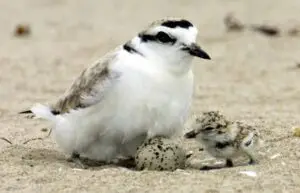
The Western Snowy Plover (Anarhynchus nivosus nivosus) is found along the Pacific coast of North America, Mexico, and in some interior western states. We will meet with Dr. Cristina Sandoval at the Coal Oil Point Reserve Nature Center and tour the reserve, discussing the ongoing conservation and restoration efforts, with an emphasis on Western Snowy Plovers.
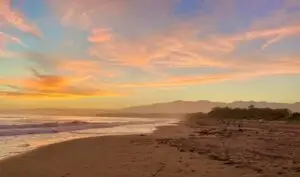
The Pacific population of Western Snowy Plovers’ preferred habitat is sandy coastal beaches, sandbars, and river mouths. They primarily feed on small invertebrates found around kelp wrack in the intertidal zone and along the edges of salt marshes, salt ponds, and lagoons. Their breeding season typically runs from March to September. The Pacific coast population of the Western Snowy Plover is listed as threatened under the U.S. Endangered Species Act, and their populations had significantly declined before they were listed as threatened. At Coal Oil Point, symbolic fencing, education, and signage are now successfully used to mark nesting areas and guide people away.
Dr. Cristina Sandoval is the Director of the Coal Oil Point Reserve, part of the UCSB Natural Reserve System. She received her Master’s degree in Brazil in social spiders and moved to Santa Barbara to do a PhD. At UCSB she studied the evolution and speciation of the Cristina’s Walking Stick (Timema cristinae) named in honor of Dr. Sandoval, who first found and collected it. She then started as a director of the reserve, where she has been working for 30 years to restore vegetation and fauna in this unique area and supporting research and education there.
How to Register
Event date: Rescheduled to Tuesday, October 7, 2025, 1:30 to 4:00 p.m.
Participation is limited to 20.
Please note that many participants could not reschedule to the new date, therefore space is still available.
Advance registration is required for this field trip and is open for members and for nonmembers at syvnhs@syvnature.org or 805-693-5683.
Members $15 / Nonmembers $30 / Children $5
Directions and meet-up location will be emailed to registered participants.
Western Snowy Plover with a hatchling and egg. Photo by Cristina Sandoval.
Looking west from Coal Oil Point where Snowy Plovers nest. Photo by Cristina Sandoval.